From Data Overload to Decision Clarity: Why NPOs Struggle with Reporting
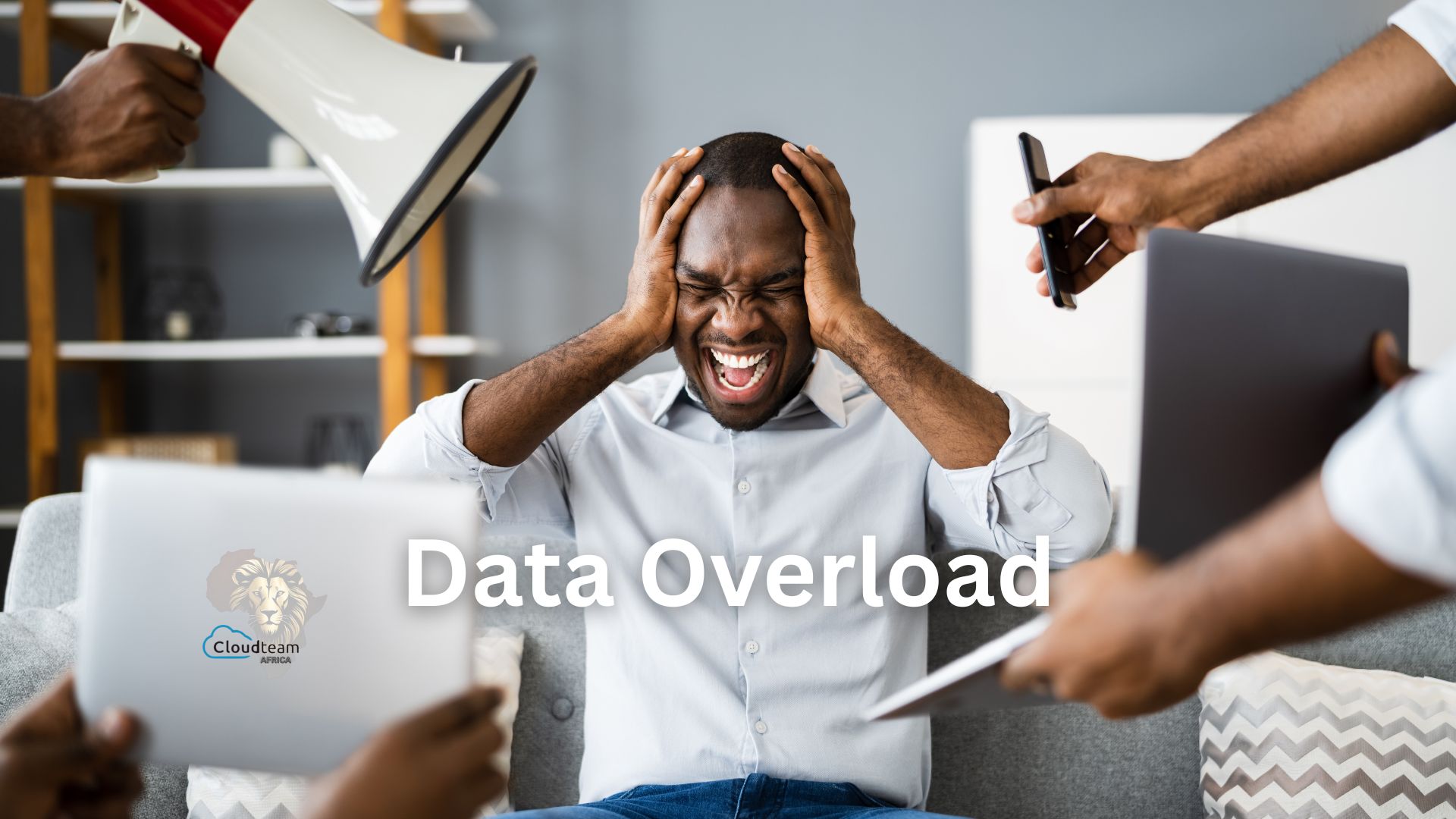
Non-Profit organisations (NPOs) are increasingly data-rich but insight-poor. Every programme, donor requirement, monitoring framework and compliance obligation generates data—yet many organisations still struggle to turn that data into clear, timely decisions.
Reporting has become one of the most time-consuming and stressful functions within NPOs. Instead of empowering leadership, programme teams, and donors, reporting often feels like a burden that diverts energy away from mission delivery.
In this first post of our ReportsAI blog series, we explore why NPO reporting is so challenging—and why traditional approaches are no longer enough.
NPOs Are Collecting More Data Than Ever
NPOs today track:
- Programme outputs and outcomes
- Donor-specific indicators
- Financial and compliance data
- Monitoring & Evaluation (M&E) metrics
- Beneficiary and geographic data
While this data is essential, it is often stored across multiple systems:
- Spreadsheets
- CRMs
- Finance tools
- M&E platforms
The result? Valuable information exists—but rarely in one clear, trusted view.
Reporting Is Still Largely Manual
Despite advances in technology, many NPOs still rely on:
- Manual data extraction
- Copy-pasting into reports
- Last-minute spreadsheet consolidation
- Rebuilding the same reports every month or quarter
This manual effort leads to:
- Errors and inconsistencies
- Delayed decision-making
- Staff burnout
- High dependency on a few “data-savvy” individuals
Instead of analysing trends or outcomes, teams spend their time preparing data.
Different Audiences, Different Questions
NPOs report to multiple stakeholders, each with different needs:
- Donors want proof of impact and value for money
- Boards want strategic insight and risk visibility
- Programme managers want operational clarity
- Leadership teams want a high-level performance overview
Traditional reports often fail because they:
- Are static and one-size-fits-all
- Cannot easily answer follow-up questions
- Lack real-time or up-to-date insights
By the time a report is produced, the moment to act has often passed.
Dashboards Alone Don’t Solve the Problem
Many NPOs have invested in dashboards—but still struggle.
Why?
Dashboards require technical skills to build and maintain
- Users must know what to look for
- Insights are limited to predefined metrics
Dashboards show what happened, but rarely explain why—or what to do next.
The Real Cost of Poor Reporting
When reporting is slow or unclear, the consequences are real:
- Missed funding opportunities
- Reduced donor confidence
- Delayed programme adjustments
- Weak evidence for impact storytelling
Most importantly, poor reporting limits an NPO’s ability to learn, adapt and maximise its mission impact.
Looking Ahead
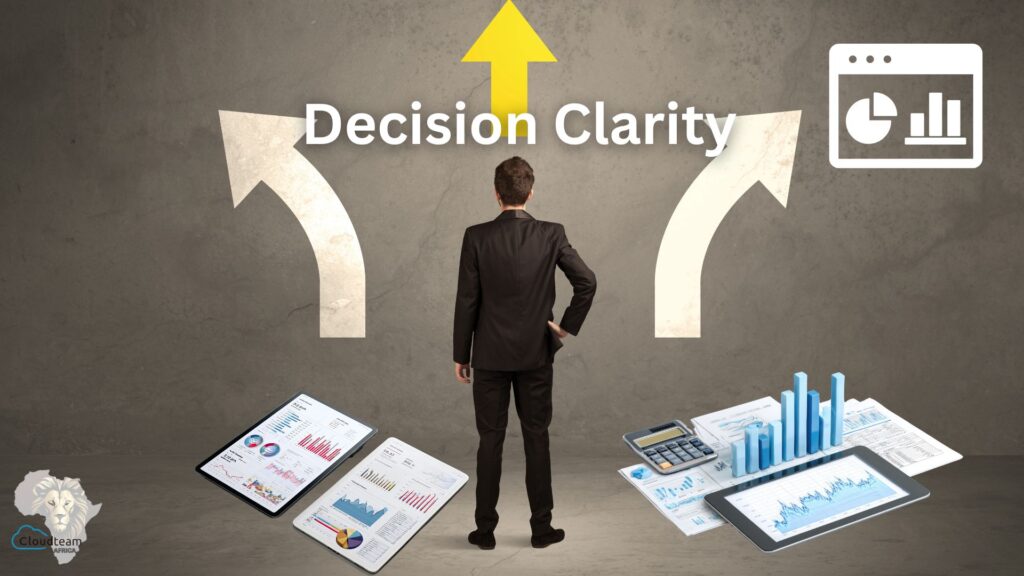
The problem is not a lack of data—it’s the lack of accessible, meaningful insights.
In the next post in this series, we’ll explore the hidden cost of poor reporting and how it affects funding, trust and long-term sustainability.
If your organisation is spending more time preparing reports than using them, it may be time to rethink how reporting works.
Next in the series: The Hidden Cost of Poor Reporting in NPOs